









 LOG-IN
  Important Links/Sites

Introduction
In today’s digital age, everyday banking has moved far beyond branch visits and passbook entries. With the convenience of online and mobile banking, we can transfer funds, pay bills, and manage accounts anytime, anywhere. But this convenience also attracts cybercriminals who are constantly devising new ways to target customers. That’s why understanding banking cybersecurity is essential. This blog explores how you can protect your money and personal information from fraud and cyber‑threats, and how Bank of Maharashtra ensures secure banking for all customers.
Why Cybersecurity Matters in Banking
As more people shift to digital channels, cybercrime has grown in scale and sophistication. Hackers use tactics like phishing emails, fake websites, malware, and social engineering to trick customers into revealing sensitive information such as passwords, account numbers, or one‑time passwords (OTPs). If successful, they can access bank accounts, steal money, or misuse identity information.
Cybersecurity in banking is not just a technical necessity—it is a customer safety practice. When you understand common threats and how to avoid them, you significantly reduce your chances of becoming a victim.
Common Cyber-Threats Targeting Bank Customers
Phishing Attacks
- Fraudulent messages mimic bank communications to steal login details.
- Avoid clicking suspicious links. Verify the sender.
OTP and Credential Theft
- Scammers trick users into sharing OTPs or passwords.
- Never share OTPs. Banks never ask for them over calls.
Fake Websites and Apps
- Fraudsters create lookalike sites/apps to steal credentials.
- Use only official app stores and verify URLs.
Public Wi-Fi Risks
- Unsecured networks can be used to intercept data.
- Avoid online banking on public Wi-Fi or use a secure VPN.
How Bank of Maharashtra Protects Your Security
- Secure Website & App Encryption: Uses HTTPS and SSL protocols to ensure encrypted data transmission.
- Two-Factor Authentication (2FA): Requires OTP verification for transactions, adding a second layer of security.
- Advanced Fraud Detection: Monitors transactions in real-time to detect and stop suspicious activities.
- Timely Alerts & Notifications: Sends instant SMS/email alerts for every transaction or login attempt.
- Automatic Session Timeouts: Ends idle sessions to prevent unauthorized access.
- Limited Login Attempts: Restricts multiple failed login attempts to protect against brute-force attacks.
- Regular Security Updates: Continuously upgrades digital infrastructure to tackle new threats.
- Customer Awareness Campaigns: Educates users through SMS, email, and social media about frauds and cyber safety.
Practical Tips for Safe Banking
- Use Strong and Unique Passwords
- Update Your Software
- Beware of Unsolicited Calls
- Check Account Activity Regularly
What to Do if You Suspect Fraud
- Immediately change your online banking password.
- Report the incident to the bank’s customer care or fraud helpdesk.
- Block your debit/credit card if necessary.
- Monitor your account for unusual activity.
FAQs on Banking Cybersecurity
Q1. What is phishing and how can I recognize it?
Phishing is a scam where fraudsters send fake messages pretending to be from a bank to trick you into revealing personal information. Signs include poor grammar, unfamiliar sender details, and unsolicited requests for account information.
Q2. Can someone steal money with just my mobile number?
Not directly. However, if a fraudster tricks you into revealing OTPs or verification details sent to that number, they might gain access to your accounts. Always protect your OTP.
Q3. Is mobile banking safe?
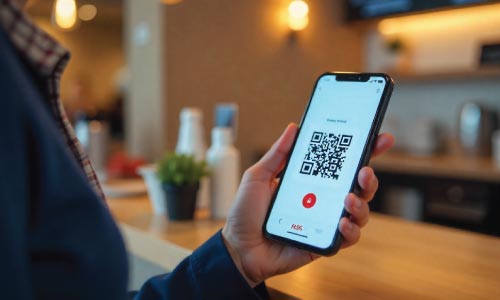
Yes, mobile banking is safe if you follow security best practices like updating your apps, using strong passwords, and avoiding public Wi-Fi for transactions.
Q4. What should I do if I receive a suspicious message claiming to be from the bank?
Do not click any links or respond. Verify the message through official bank channels or customer care.
Q5. Are bank apps secure if downloaded from official app stores?
Yes, official app stores have security checks. Always download apps from trusted stores and verify the developer name.
Conclusion
Banking security is a shared responsibility between the bank and its customers. Understanding common cyber-threats and adopting good digital habits can significantly reduce your risk of fraud. The Bank of Maharashtra has robust systems and practices in place to safeguard your accounts, but your vigilance makes all the difference. By staying informed and cautious, you can enjoy the convenience of modern banking without compromising your financial security.
Author: Bank of Maharashtra
Date of Publish: 09 Jan, 2026




 Public Information
  Gallery
  Social Activity
  Assets for Sale
  Tenders