









 LOG-IN
  Important Links/Sites
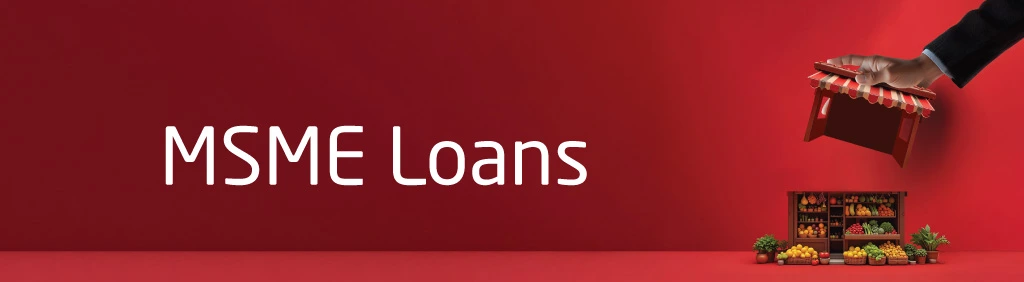
Micro, Small, and Medium Enterprises (MSMEs) are the heartbeat of India’s economy. They contribute nearly 30% to the GDP, account for 48% of India’s exports, and employ over 11 crore people across the country. Yet, one of the most pressing challenges MSMEs face is access to timely and affordable credit.
Whether you’re a small manufacturer looking to expand production, a trader seeking working capital, or a service provider planning to digitise operations, MSME loans can be a lifeline. However, many business owners focus only on loan eligibility and disbursement speed—often overlooking two critical aspects that directly affect long-term financial health: interest rates and repayment terms.
Understanding these two elements can help MSMEs avoid cash flow stress, minimise repayment burden, and optimise financial planning. When chosen wisely, the right MSME loan can become a growth enabler rather than a financial liability.
In this blog, we’ll walk you through how interest rates work, how repayment structures impact your business, and how you can make better borrowing decisions with the help of Bank of Maharashtra’s tailor-made MSME loan solutions.
Why MSME loans matter for business growth
MSME loans offer financial support to help small businesses meet their working capital needs, upgrade technology, purchase machinery, or expand operations. With the right funding, businesses can seize new opportunities, manage seasonal cycles, and ensure smoother operations.
But before applying for a loan, it’s important to understand how the cost of borrowing—i.e., interest rates—and repayment structures affect your business finances.
Interest rates in MSME loans explained
Interest rate is the percentage charged on the total loan amount. It directly impacts your monthly repayment and total cost of the loan. At Bank of Maharashtra, interest rates on MSME loans are competitive, transparent, and aligned with RBI guidelines.
There are two types of interest rate structures:
- Fixed Interest Rate: Remains constant throughout the loan tenure. This provides predictability in EMI payments and helps in budgeting.
- Floating Interest Rate: Varies depending on market-linked benchmarks. While floating rates can lead to savings when rates fall, they can also increase your EMI if market rates rise.
Choosing between fixed and floating interest rates depends on your business’s financial stability and risk tolerance.
Key factors that affect MSME loan interest rates
Several elements influence the interest rate you’ll be offered:
- Credit profile: A good CIBIL score improves your chances of securing lower interest rates.
- Business vintage: Established businesses with consistent revenues are considered less risky.
- Loan amount and tenure: Shorter-term loans usually have slightly lower interest rates.
- Collateral: Secured loans tend to attract better rates than unsecured ones.
- Nature of business: The sector in which your business operates can also play a role.
At Bank of Maharashtra, each loan application is evaluated carefully to offer interest rates that are fair and tailored to your specific business profile.
Understanding repayment terms and their impact
Repayment terms define how and when you’ll repay the borrowed amount. The most common method is Equated Monthly Instalments (EMIs), which include both principal and interest. These EMIs continue throughout the loan tenure, which can range from 12 months to several years, depending on the nature of the loan.
Here’s what to keep in mind:
- Loan tenure: Longer tenures reduce EMI amounts but increase the total interest paid.
- Prepayment options: Bank of Maharashtra offers flexible prepayment facilities, helping you reduce your interest burden without heavy penalties.
- Payment frequency: Some businesses opt for quarterly repayments, especially when cash flow is seasonal.
Choosing the right tenure and EMI structure helps maintain healthy cash flow in your business.
Tips for choosing the right MSME loan
- Evaluate your needs: Determine how much you really need and for what purpose—working capital, equipment purchase, or business expansion.
- Compare options within the bank: Bank of Maharashtra provides multiple MSME loan schemes. Select the one that aligns with your business objectives.
- Review eligibility: Keep documents such as GST certificates, bank statements, business registration, and financial statements ready.
- Check repayment flexibility: Choose a loan with a tenure and EMI that suits your cash flow.
- Use EMI calculators: These tools can help you visualise your monthly obligations and plan accordingly.
Bank of Maharashtra’s commitment to MSMEs
Bank of Maharashtra stands as a strong and reliable financial partner for MSMEs across India. The bank’s MSME loan offerings are designed to meet diverse business needs, whether you are a startup or a well-established enterprise.
Here’s what you can expect:
- Attractive interest rates that reflect your business’s financial health
- Minimal documentation to ensure a quick and smooth loan process
- Flexible repayment terms tailored to your cash flow
- Dedicated MSME support to guide you at every stage of your loan journey
- Digital application process for ease and convenience
Whether it’s a working capital loan, equipment financing, or a term loan, Bank of Maharashtra ensures that MSMEs get timely credit with terms that are both manageable and beneficial.
Conclusion
Understanding interest rates and repayment terms is not just about getting a loan—it’s about choosing the right financial solution that helps your business grow sustainably. With clear terms, competitive rates, and unwavering support, Bank of Maharashtra is committed to helping MSMEs succeed.
Explore MSME loan options with Bank of Maharashtra today and move forward with confidence, clarity, and the right financial backing.
Author: Bank of Maharashtra
Date of Publish: 01 Dec, 2025












 Public Information
  Gallery
  Social Activity
  Assets for Sale
  Tenders