Introduction
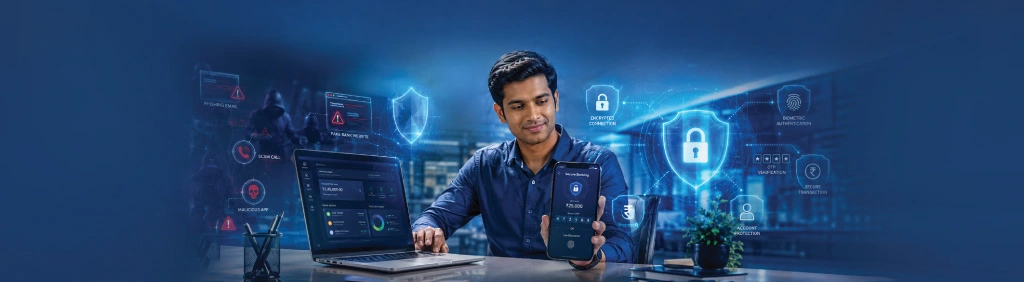
Banking has become faster and more convenient than ever before. Today, customers can transfer funds, pay bills, apply for loans, and even complete a digital bank account opening process without stepping into a branch. With the growing popularity of online new account opening services, digital banking has transformed the way people manage their finances.
However, as digital banking services continue to expand, online banking fraud is also becoming more common. Cybercriminals constantly look for ways to steal sensitive information, access bank accounts, and misuse customer data. Many people fall victim to scams simply because they are unaware of the warning signs.
Understanding the different types of online banking frauds and learning how to protect yourself can help you bank safely and confidently. Let’s explore the most common online banking frauds and the practical steps you can take to avoid them.
How online banking fraud is increasing
With the rapid rise in internet usage and mobile banking, fraudsters now target customers through emails, fake websites, mobile apps, phone calls, and social media. People who use online new account opening services or digital banking apps without proper precautions can unknowingly expose their personal information.
Fraudsters usually try to create panic, urgency, or attractive offers to trick users into sharing confidential details such as OTPs, PINs, passwords, or debit card information. Once they gain access, they can misuse accounts within minutes.
This is why awareness remains one of the strongest tools against digital fraud.
Phishing scams that target bank customers
Phishing is one of the most common online banking frauds. In this scam, fraudsters send fake emails, messages, or links pretending to be from a trusted bank or financial institution.
These messages usually ask customers to:
- Verify account details
- Update KYC information
- Reset passwords
- Claim rewards or cashback
- Complete digital bank account opening verification
Once the customer clicks the link, they are redirected to a fake website that looks similar to the bank’s official site. Any information entered there is stolen immediately.
How to avoid phishing scams
- Never click on suspicious links received through SMS, WhatsApp or email
- Always check the sender’s email address carefully
- Visit the bank’s official website directly instead of using shared links
- Never share OTPs, passwords or PINs
- Use only official banking apps downloaded from trusted app stores
Fake customer care frauds creating panic
Many fraudsters pretend to be bank representatives or customer support executives. They call customers claiming there is an issue with their account, ATM card or online new account opening request.
They often ask users to:
- Share OTPs
- Install screen-sharing apps
- Reveal debit card details
- Provide internet banking passwords
Some fraudsters even create fake customer care numbers online to trap customers searching for banking assistance.
How to stay safe from fake support scams
- Contact customer support only through official bank websites
- Never install unknown apps on your phone
- Genuine bank employees never ask for OTPs or passwords
- Disconnect calls that create unnecessary fear or urgency
UPI and QR code frauds affecting digital users
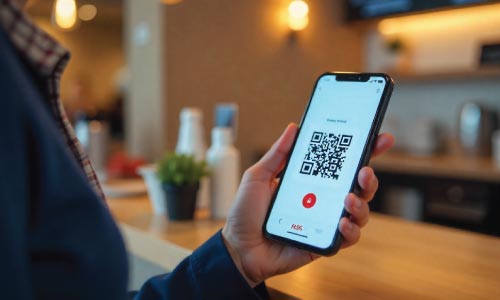
Digital payment frauds involving UPI apps and QR codes have increased significantly. Fraudsters may send QR codes claiming they are transferring money, while in reality, scanning the code authorises payment from your account.
This scam is especially common among people using digital banking platforms regularly.
Ways to avoid UPI frauds
- Remember that receiving money never requires entering a PIN
- Avoid scanning QR codes sent by unknown individuals
- Double-check payment requests before approving transactions
- Use secure internet connections while making payments
Identity theft during digital bank account opening
As digital bank account opening services become more popular, fraudsters also attempt identity theft using stolen personal documents.
Cybercriminals may misuse Aadhaar numbers, PAN cards or mobile numbers to create fake accounts or access financial services.
How to protect your identity online
- Avoid sharing personal documents on unsecured websites
- Use only trusted banking portals for online new account opening
- Monitor SMS and email alerts for suspicious activity
- Report lost IDs or unauthorised transactions immediately
Malware and mobile banking threats
Fraudsters often spread malware through fake apps, suspicious downloads, and malicious links. Once installed, malware can track passwords, capture banking details, and access SMS alerts.
Customers using mobile banking without proper security measures become easy targets.
Safety tips for mobile banking users
- Install antivirus software on your devices
- Keep your phone and apps updated
- Avoid downloading apps from unknown sources
- Lock your phone with passwords or biometric security
- Log out after completing banking transactions
Social media scams and fake investment offers
Social media platforms have become another common space for online fraud. Fraudsters create fake pages, advertisements, and offers that promise guaranteed returns, instant loans, or easy rewards.
They may also misuse bank logos and branding to appear trustworthy.
How to identify fake offers online
- Be cautious of unrealistic promises
- Verify offers through official bank websites
- Avoid sharing banking details through social media chats
- Check for verified profiles before engaging with financial pages
Importance of secure passwords in digital banking
Weak passwords make online accounts vulnerable to hacking attempts. Many people still use simple passwords like birthdates or phone numbers, making it easier for fraudsters to guess login credentials.
Best practices for password security
- Create strong passwords using letters, numbers and symbols
- Avoid using the same password across multiple platforms
- Change passwords regularly
- Enable two-factor authentication whenever available
Why awareness matters more than ever
Technology has undoubtedly simplified banking. Services like digital bank account opening and online new account opening have made financial access easier for millions of people. However, digital convenience also requires digital responsibility.
Staying alert, verifying information, and following safe banking practices can significantly reduce the risk of fraud. Banks continuously strengthen their security systems, but customer awareness remains equally important in preventing online scams.
How Bank of Maharashtra supports secure digital banking
Bank of Maharashtra offers secure and customer-friendly digital banking solutions designed to make banking convenient and reliable. From seamless online new account opening services to advanced digital banking facilities, the bank focuses on customer safety at every step.
With secure digital bank account opening processes, strong authentication measures, and dedicated customer support, Bank of Maharashtra continues to help customers bank confidently in the digital age. By combining convenience with security, the bank ensures a smooth and trusted banking experience for users across India.
Author: Bank of Maharashtra
Date of Publish: 05 Jun, 2026




 Public Information
  Gallery
  Social Activity
  Assets for Sale
  Tenders
  ..
..